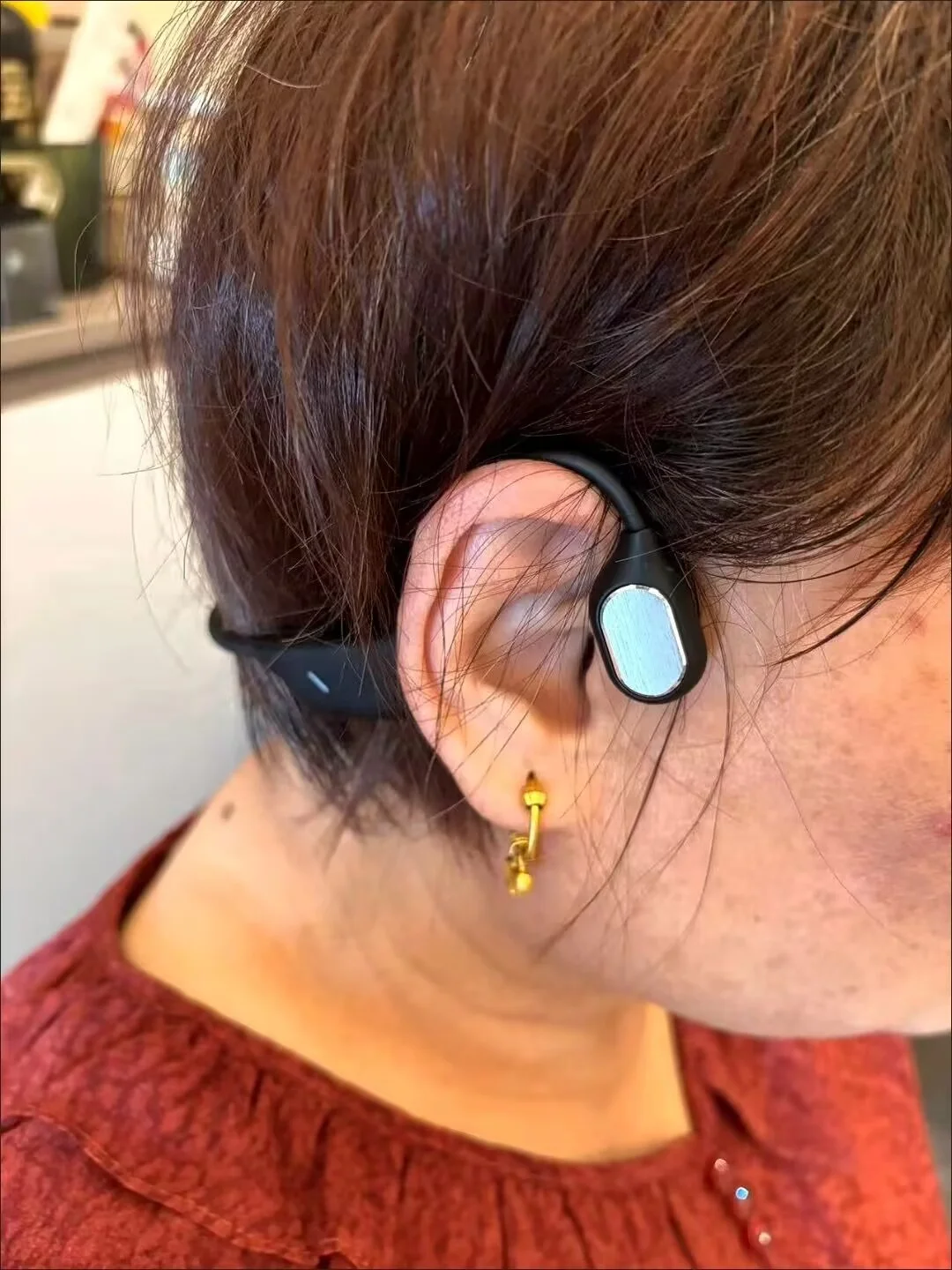
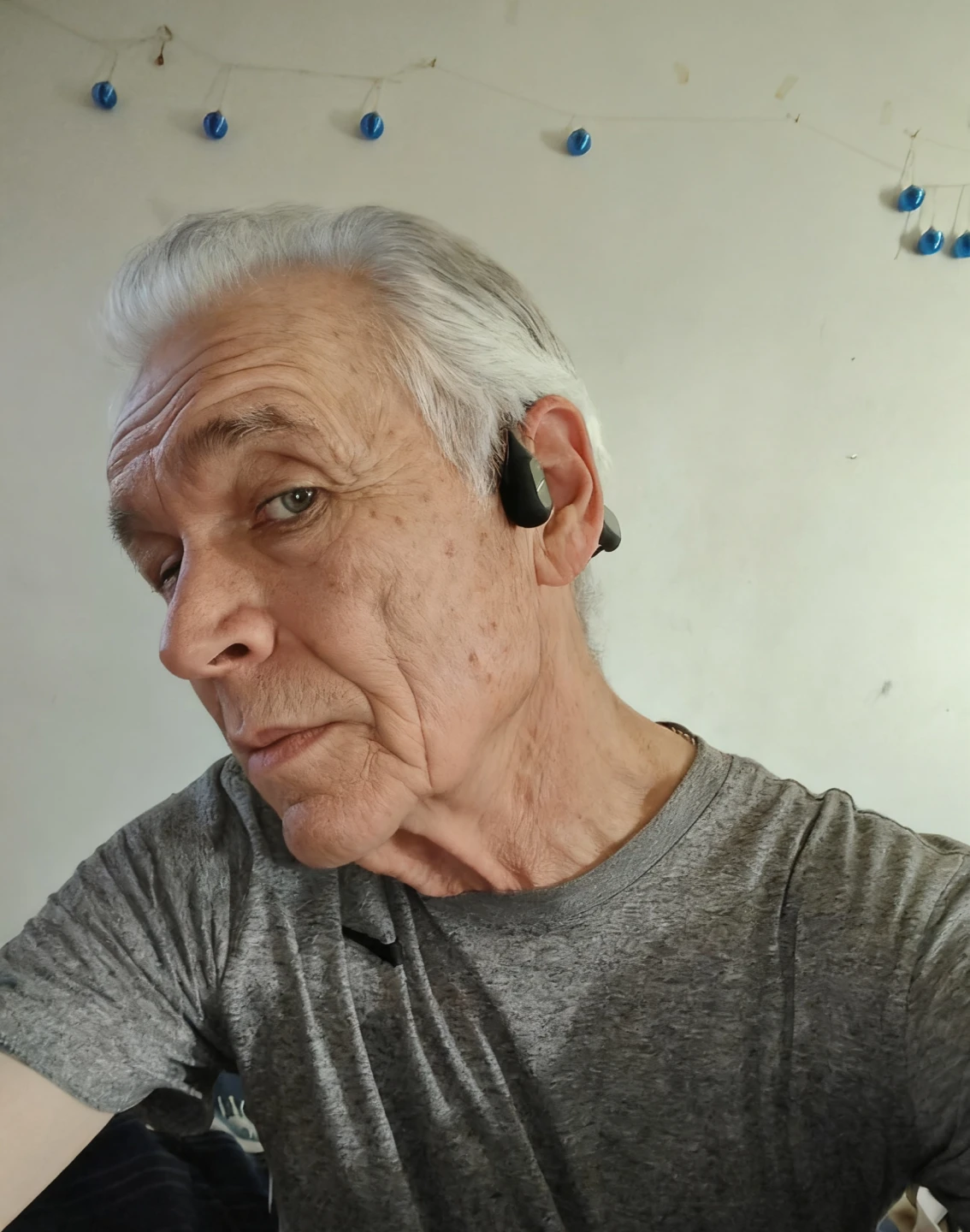
For many people, changes in hearing do not happen overnight.
They happen so gradually that most people barely notice them at first.
It often begins with small, seemingly unimportant moments.
You miss a few words during a family dinner.
A conversation at your favorite restaurant suddenly feels harder to follow. You can hear that someone is speaking, but understanding exactly what they are saying takes more effort than it used to.
You find yourself turning up the television volume a little higher every few months.
Phone calls become increasingly tiring because you have to ask the other person to repeat themselves again and again.
"Could you say that again?"
"Sorry, I didn't catch that."
"Would you mind repeating it one more time?"
At first, it does not seem like a serious problem.
You tell yourself:
"It must be the background noise."
"Maybe everyone is speaking too quickly."
So you adapt.
You smile and nod even when you miss part of the conversation.
You avoid interrupting people because you do not want them to repeat the same sentence several times.
You begin speaking less during group conversations.
Eventually, some people stop attending gatherings altogether—not because they no longer want to see their friends or family, but because trying to follow every conversation has become exhausting.
For many adults, this is not simply about hearing.
It is about gradually feeling disconnected from the people, stories, laughter, and everyday moments that matter most.
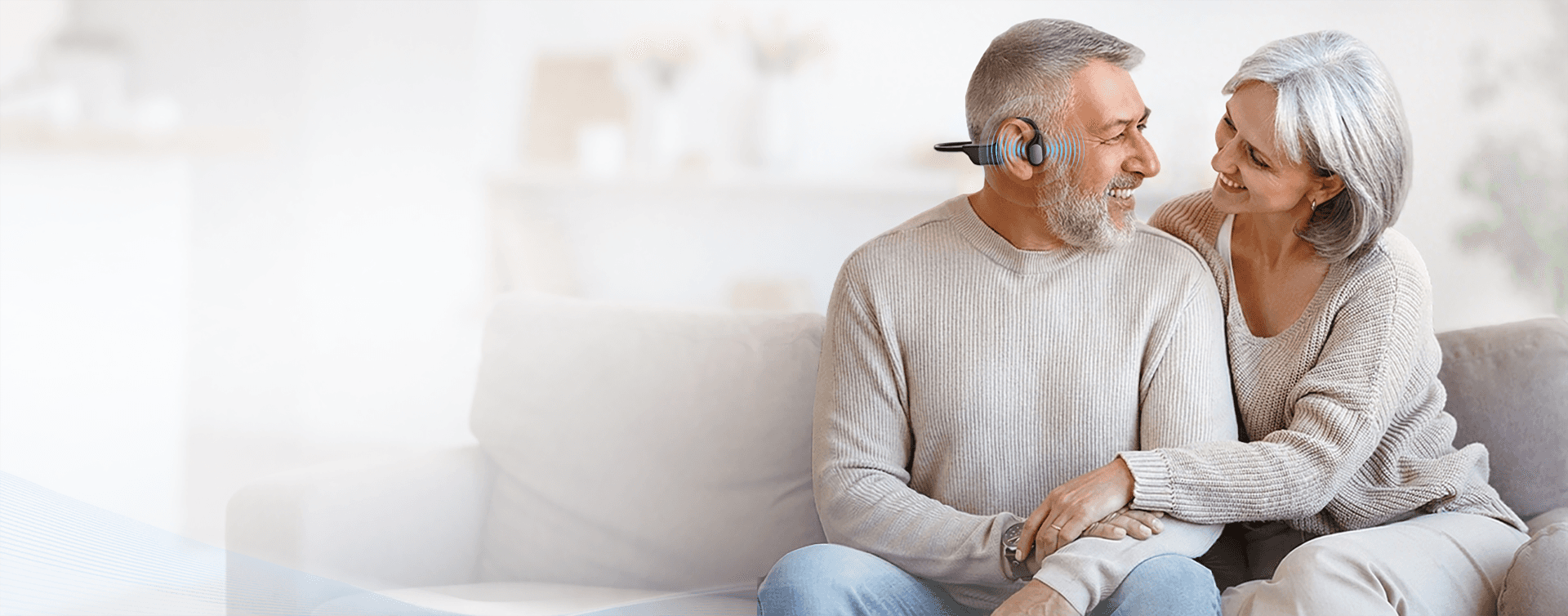
A New Approach to Everyday Hearing Support
Recent developments in hearing technology are beginning to change the conversation.
Researchers and consumer audio specialists are now exploring a new generation of hearing assistance technology designed to make everyday communication feel more natural—not simply louder.
Instead of concentrating only on increasing overall volume, these innovations focus on creating a more comfortable listening experience while helping users remain aware of what is happening around them.
One technology attracting growing attention is known as Open-Ear Bone Conduction Hearing Technology.
Unlike conventional earbuds, which deliver sound directly into the ear canal, bone conduction devices use gentle vibrations near the cheekbone area to transmit sound.
Because the ears remain open, users can continue noticing important sounds in their surroundings, including a family member calling their name, a doorbell ringing, or a vehicle approaching during a walk.
For adults who dislike the blocked or pressured sensation associated with in-ear devices, this open-ear approach may offer a more comfortable option for everyday listening support.
As interest in the technology continues to grow, one researcher has spent years asking a question that few people in the industry were discussing.
How can technology help people enjoy conversations again—not simply make everything louder?
A question that shaped Dr. Andrew's hearing technology researchThat researcher is Dr. Andrew.

"People Weren't Just Losing Sound. They Were Slowly Losing Confidence."
When Dr. Andrew first began studying hearing technology more than fifteen years ago, he believed his work would primarily focus on sound.
Speakers. Audio quality. Signal processing. Acoustic engineering.
Like many researchers entering the field, he expected technology and laboratory data to provide most of the answers.
What he did not expect was that some of the most important answers would come directly from ordinary people.
Over the following fifteen years, Dr. Andrew worked alongside consumer audio engineers, acoustic specialists, product developers, and technology design teams.
Together, they explored how modern listening technology could better support real-life communication.
Yet the experiences that eventually changed the direction of his research did not take place in a laboratory.
They happened inside community centers, retirement groups, senior wellness events, technology exhibitions, church gatherings, and neighborhood meetings.
Wherever he went, people shared remarkably similar stories.
A retired schoolteacher told him she had quietly stopped attending her weekly book club.
It was not because she had lost her love of reading.
She stopped going because following a fast-moving discussion among eight or ten people had become overwhelming.
I spent more time pretending I understood the conversation than actually participating in it.
A retired teacher interviewed during Dr. Andrew's researchThen a 68-year-old grandfather shared another story.
Every Sunday, his entire family gathered around the same table.
His grandchildren laughed and excitedly told stories about school. Several conversations often happened at the same time.
He smiled and nodded along with everyone else.
But later, he quietly admitted:
I honestly couldn't tell you what half of them were talking about. I kept smiling because I didn't want them to repeat every sentence.
A grandfather describing his weekly family dinnersAnother older adult told Dr. Andrew that he had started avoiding phone calls.
It was not because he could not hear the telephone ringing.
He could hear the other person's voice, but the words often seemed distant or unclear—as though the conversation were happening behind a layer of glass.
He then said something Dr. Andrew would remember for years:
I hear their voices.
I just can't always understand the words."
That moment fundamentally changed how Dr. Andrew viewed hearing technology.
Many adults were not simply losing access to sound.
They were slowly losing the confidence to join a conversation, answer the telephone, attend a gathering, or laugh without worrying that they had misunderstood what someone had said.
They were not completely unable to hear.
But over time, they were beginning to withdraw from parts of the life they once enjoyed.
Dr. Andrew realized the real challenge was not simply making sound louder. It was helping people feel comfortable, confident, and involved in everyday communication again.